
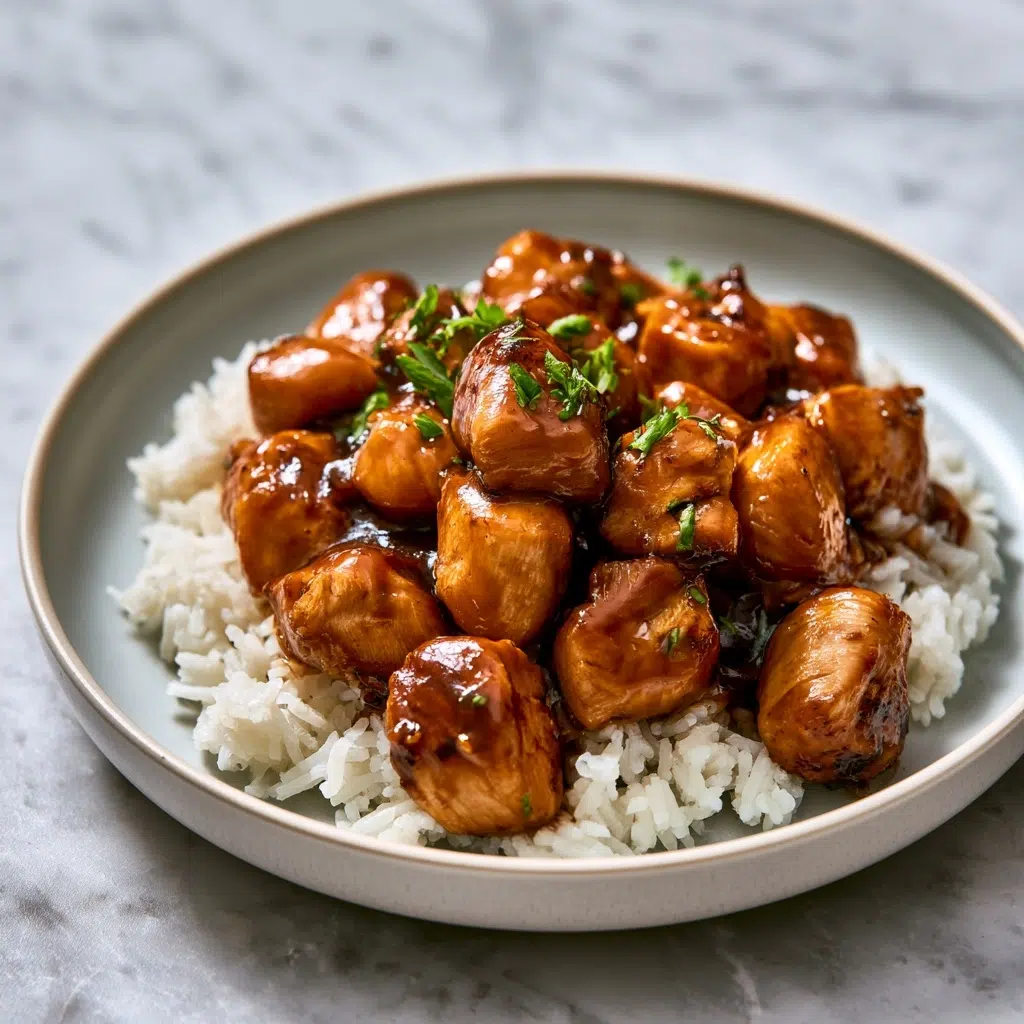
Hawaiian Chicken with Coconut Rice offers a tropical escape through a vibrant combination of tender, caramelized chicken and fragrant, creamy rice. This popular dish appeals to busy families and food enthusiasts alike, perfect for weeknight dinners or casual weekend gatherings. The balance of sweet pineapple, savory soy glaze, and rich coconut aromatics creates a multi-layered sensory experience that elevates standard poultry into a restaurant-quality meal. By mastering this simple, one-skillet approach, you bring the refreshing flavors of the islands directly to your home kitchen, ensuring a wholesome meal that satisfies every craving.

What Is Hawaiian Chicken with Coconut Rice?
Hawaiian Chicken with Coconut Rice is a balanced meal consisting of bite-sized poultry pieces sautéed in a sweet and savory pineapple-based sauce, served alongside jasmine rice cooked in creamy coconut milk. This dish draws inspiration from traditional Pacific Island fusion cuisine, emphasizing the combination of tropical fruits and savory proteins. Unlike heavy, breaded stir-fries, this preparation relies on the natural caramelization of sugar and fruit juices to create a thick, glossy coating for the chicken. The accompanying coconut rice provides a nutty, silky foundation that perfectly complements the acidic brightness of the pineapple and the depth of the soy-ginger marinade.
| Prep Time | 20 minutes |
| Cook Time | 30 minutes |
| Total Time | 50 minutes |
| Servings | 4 |
| Difficulty Level | Easy |
| Cuisine | Fusion |
| Calories per Serving | 580 |
Why You’ll Love This Recipe
- Effortless preparation that relies on pantry-staple ingredients for a quick meal.
- Foolproof technique ensures the chicken remains tender while vegetables stay vibrant and crisp.
- Crowd-pleasing flavor profile balances sweet and savory notes for all ages.
- Time-saving workflow allows the rice to simmer while you manage the protein and glaze.
This recipe transforms simple ingredients into an impressive feast with minimal effort. Whether you are meal prepping for the week ahead or hosting an impromptu dinner, the straightforward steps minimize cleanup and maximize flavor. You will find that this dish fits perfectly into any busy schedule while delivering a professional culinary outcome.
Why This Recipe Works
Through years of testing, I discovered that the secret to this dish lies in the separation of the marinade and the final glaze. By using two-thirds of the mixture to penetrate the chicken fibers early on, the meat remains moist and flavorful throughout the searing process. This method ensures that even without breading, each piece of chicken carries an intense, savory profile that stands up to the sweetness of the pineapple.
The science of this recipe relies on the interaction between heat and natural sugars. Sautéing the bell peppers and onions quickly over high heat retains their structural integrity, preventing a mushy texture. When the glaze is thickened with a cornstarch slurry, it creates an emulsified sauce that coats every surface evenly. This specific technique prevents the sauce from becoming watery, allowing the pineapple juice and soy sauce to cling to the chicken and vegetables for a balanced bite.
The final result is a study in texture and contrast. You achieve a deep caramelization on the chicken, which provides a charred, smoky note that pairs beautifully with the creamy, delicate coconut rice. Each element is seasoned intentionally, ensuring that the finished plate provides a visual appeal as vibrant as its flavor profile. This careful layering of ingredients ensures every bite offers a harmonious blend of acid, salt, and fat.
Pro Tips Before You Start
Mise en Place: Chop all vegetables and measure sauces before turning on the heat to keep the cooking process fluid. Room Temperature Chicken: Remove chicken from the refrigerator 15 minutes before cooking to ensure even heat penetration. Heavy-Bottomed Pot: Use a heavy-bottomed pot for the rice to prevent scorching the coconut milk at the base.
Ingredients
Here is everything you need to make Hawaiian Chicken with Coconut Rice.
| Ingredient | Quantity | Notes |
| Chicken thighs | 2 lbs | Cut into 1-inch pieces |
| Soy sauce | 1/2 cup | Use low-sodium if preferred |
| Pineapple juice | 1/2 cup | Reserved from canned pineapple |
| Brown sugar | 1/4 cup | Packed |
| Rice vinegar | 2 tbsp | Adds necessary acidity |
| Sesame oil | 1 tbsp | Adds toasted flavor |
| Garlic | 4 cloves | Minced finely |
| Ginger | 1 tbsp | Grated fresh |
| Cornstarch | 1 tbsp | Dissolved in 2 tbsp water |
| Olive oil | 2 tbsp | Divided |
| Pineapple chunks | 20 oz | Drained |
| Red bell pepper | 1 large | Cut into 1-inch pieces |
| Yellow bell pepper | 1 large | Cut into 1-inch pieces |
| Red onion | 1 medium | Cut into 1-inch wedges |
| Jasmine rice | 2 cups | Rinsed well |
| Coconut milk | 13.5 oz | Full fat canned |
| Water | 1 1/4 cups | For rice cooking |
| Salt/Sugar | To taste | Used for rice seasoning |
Best Ingredients for Hawaiian Chicken with Coconut Rice
Quality ingredients are the foundation of this recipe. Using full-fat canned coconut milk is essential, as the fat content provides the necessary creaminess and body that light or carton versions simply cannot replicate. For the chicken, thighs are vastly superior to breasts because their higher fat content prevents them from drying out during the sautéing process, ensuring a succulent final texture.
Fresh ginger and garlic are also non-negotiable for the best flavor results. Pre-minced jars often contain additives that mask the true aromatic profile required for a balanced Asian-fusion sauce. Finally, using authentic jasmine rice is critical; its natural floral aroma pairs perfectly with the coconut milk. Using a generic long-grain rice may result in a blander dish with a less distinct mouthfeel.
Step-by-Step Instructions
Phase 1: Marinating the Protein
- Cut chicken thighs into 1-inch pieces and pat them dry with paper towels to ensure a better sear.
- Whisk soy sauce, pineapple juice, brown sugar, rice vinegar, sesame oil, garlic, and ginger in a large mixing bowl.
- Pour two-thirds of the marinade over the chicken, coating every piece thoroughly, then cover and refrigerate for 30 minutes.
Phase 2: Preparing the Glaze and Rice
- Pour reserved marinade into a small saucepan and bring to a gentle simmer over medium heat.
- Whisk cornstarch and cold water into a slurry and stir into the saucepan until the mixture becomes syrupy.
- Rinse jasmine rice under cold water until the water runs clear to remove excess starch.
- Combine rice, coconut milk, water, salt, and sugar in a heavy-bottomed pot and bring to a boil.
- Reduce heat to low, cover the pot tightly, and simmer for 18 minutes without lifting the lid.
- Rest the rice covered for 10 minutes off the heat to ensure perfectly fluffy grains.
Phase 3: Cooking and Assembly
- Heat 1 tbsp olive oil in a large skillet over medium-high heat.
- Sauté bell peppers and onion for 3-5 minutes until they are tender-crisp, then remove them from the pan.
- Add remaining 1 tbsp olive oil to the same skillet and cook the chicken in a single layer.
- Flip the chicken after 4-6 minutes, ensuring it develops a golden brown color and cooks through.
- Return the vegetables and pineapple to the skillet, pour the prepared glaze over the top, and toss gently.
- Simmer everything for 1-2 minutes until the flavors meld and the glaze is hot.
- Scoop coconut rice onto plates, top with the chicken mixture, and garnish with cilantro and sesame seeds.
Chef Tips for Perfect Results
- Check Temperature: Use an instant-read thermometer to ensure the chicken reaches an internal temperature of 165°F (74°C).
- Don’t Rush the Rice: Always let the rice rest covered for 10 minutes after cooking to allow steam to finish the grains.
- High Heat Searing: Ensure the skillet is hot before adding the chicken to achieve that essential golden brown crust.
- Sauce Consistency: If the glaze becomes too thick, whisk in a tablespoon of water at a time until the desired flow is reached.
- Garnish Freshness: Add cilantro and green onions immediately before serving to maintain their bright color and crisp texture.
Common Mistakes to Avoid
- Overcrowding the Skillet: The chicken will steam instead of brown if there is no space between pieces. Cook in batches if your pan is small.
- Overmixing the Rice: This releases too much starch, resulting in a gummy texture. Use a fork to fluff it only once.
- Neglecting to Rinse Rice: Unrinsed rice results in clumpy grains due to excess surface starch. Rinse until clear.
- Burning the Aromatics: Garlic and ginger burn quickly on high heat. Add them to the marinade rather than the hot skillet to prevent bitterness.
How to Make This Recipe Healthier
You can adjust this recipe for a lighter profile without sacrificing taste. Replace half the brown sugar with monk fruit sweetener to reduce caloric impact while maintaining the necessary sweetness. Using low-sodium soy sauce significantly cuts down the sodium content, which is helpful for those monitoring heart health. For a fiber boost, you can serve the dish over a mixture of brown jasmine rice and quinoa, though note that this may require slightly more cooking liquid and a longer simmering time.
Variations and Substitutions
| Ingredient | Substitution | Flavor Impact | Texture Impact |
| Chicken Thighs | Firm Tofu | Milder | Softer |
| Brown Sugar | Honey | Floral notes | Slightly more liquid |
| Rice Vinegar | Apple Cider Vinegar | Fruitier | No significant change |
| Jasmine Rice | Cauliflower Rice | Nutty | Lighter/lower starch |
Can You Make This Ahead?
Yes, you can prepare components of this dish ahead of time. You can marinate the chicken for up to four hours in the refrigerator. Additionally, the glaze can be made up to two days in advance and stored in an airtight container. Keep the rice fresh by storing it in the refrigerator for up to three days, though it is best cooked on the day of serving to maintain the texture of the coconut milk. When ready, combine the chicken and vegetable cooking steps just before you plan to eat.
Serving Suggestions and Pairings
Serve this dish warm in wide, shallow bowls to showcase the beautiful colors of the peppers and pineapple. A side of smashed cucumber salad with sesame oil provides a cool, crunchy contrast to the warm chicken. For beverages, a chilled glass of Riesling or a non-alcoholic sparkling pineapple limeade complements the tropical notes of the meal. Plate the dish by placing a generous scoop of coconut rice at the base, followed by the chicken and vegetable mixture, and finishing with a sprinkle of fresh cilantro and toasted sesame seeds for professional presentation.
Best Occasions to Serve This Recipe
This dish is a stellar choice for busy Tuesday night dinners when you need something reliable but impressive. It is also highly effective for meal prep Sundays, as the flavors often improve after sitting for a day. If you are hosting a casual gathering, this recipe works beautifully because it can be cooked in large batches in a wok, making it a stress-free centerpiece for a relaxed, family-style buffet.
Storage and Reheating
| Method | Duration | Instructions |
| Refrigerator | 3-4 days | Airtight container |
| Freezer | 2 months | Freeze chicken and rice separately |
| Reheating | Stovetop | Medium heat with a splash of water |
Nutritional Information
Approximate nutritional values per serving:
| Nutrient | Amount |
| Calories | 580 |
| Protein | 32g |
| Fat | 22g |
| Carbohydrates | 62g |
| Fiber | 2g |
| Sugar | 18g |
| Sodium | 850mg |
*Approximate values based on standard ingredients. Actual nutrition varies by brand and substitutions.
Conclusion
Hawaiian Chicken with Coconut Rice brings a perfect balance of tropical sweetness and savory depth to your table. By following these straightforward techniques, you achieve a professional-quality meal that is as reliable as it is satisfying. This recipe excels because it combines common ingredients with a thoughtful approach to heat and layering, ensuring that the chicken remains tender and the flavors remain distinct.
You will discover that this dish transforms a typical weeknight dinner into an experience that rivals your favorite neighborhood restaurant. The combination of creamy rice and caramelized, pineapple-glazed chicken delivers a consistent, high-impact result every time you cook it.
Try this recipe for your next family gathering or meal prep session to see why it quickly becomes a household staple. Save this recipe for those moments when you need an effortless, impressive meal that delivers on every level. Embrace the tropical flair and enjoy the rewarding outcome of your home-cooked, island-inspired creation.
FAQ
Can I substitute chicken thighs with breasts?
Yes, you can use chicken breasts, but be careful not to overcook them, as they have less fat and can dry out more quickly than thighs.
How do I know when the Hawaiian Chicken is done?
The chicken is done when it reaches an internal temperature of 165°F (74°C) and the glaze has thickened into a syrupy consistency that coats the pieces.
What should I do if the glaze is too thin?
If the glaze is too thin, continue simmering it on low heat while whisking in an additional half-teaspoon of cornstarch mixed with a teaspoon of water.
Can I make this dish ahead of time?
Yes, you can prep the chicken and sauce separately up to two days ahead of time, then simply sauté the protein and assemble the meal before serving.
How do I reheat the chicken without drying it out?
Reheat the chicken in a skillet over medium-low heat with a small splash of water or extra pineapple juice to re-hydrate the glaze.
Is this recipe suitable for a gluten-free diet?
Yes, you can easily make this gluten-free by substituting the soy sauce with an equal amount of tamari or coconut aminos.
Print
Hawaiian Chicken with Coconut Rice
- Total Time: 50
- Yield: 4 servings
- Diet: Halal
Description
Transport your kitchen to the tropics with this vibrant Hawaiian Chicken and Coconut Rice dish. This recipe balances tender, caramelized chicken in a savory-sweet pineapple glaze with creamy, aromatic jasmine rice. A perfect fusion meal that is both wholesome and impressive, it relies on natural fruit sugars and coconut milk to create a rich, restaurant-quality experience in under an hour. Ideal for busy weeknights, this one-skillet approach delivers deep flavor with minimal cleanup.
Ingredients
1.5 lbs chicken breast, cut into bite-sized pieces
1 cup jasmine rice
1 cup full-fat coconut milk
1 cup water
1 can (8 oz) pineapple chunks in juice, drained (reserve juice)
1/2 cup soy sauce (use tamari for gluten-free)
2 tablespoons honey
1 tablespoon fresh ginger, minced
2 cloves garlic, minced
1 tablespoon vegetable oil
2 green onions, sliced for garnish
1/2 teaspoon salt
Instructions
Rinse the jasmine rice under cold water until clear.
In a medium pot, combine rice, coconut milk, water, and salt; bring to a boil, then reduce heat to low, cover, and simmer for 18 minutes.
While rice cooks, whisk together soy sauce, honey, reserved pineapple juice, minced ginger, and garlic in a bowl.
In a large skillet, heat oil over medium-high heat.
Add chicken pieces to the skillet and sear until browned on all sides.
Pour two-thirds of the sauce mixture over the chicken and cook until the liquid reduces into a thick, glossy glaze.
Add the pineapple chunks to the skillet during the last 2 minutes of cooking.
Serve the glazed chicken over a bed of warm coconut rice and garnish with green onions.
Notes
Ensure you reserve the juice from the canned pineapple to add depth to the glaze. For extra texture, you can toast shredded coconut to sprinkle on top of the finished dish. Store leftovers in an airtight container for up to 3 days.
- Prep Time: 20
- Cook Time: 30
- Category: Meals
- Method: Stovetop
- Cuisine: Fusion